
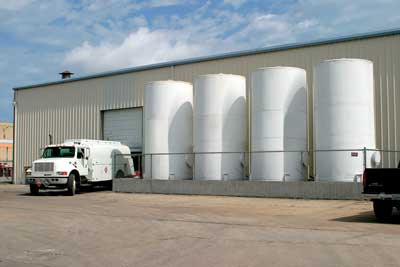
As a manufacturing operation grows, so do its operational demands. What once worked for a small-scale facility—manual processes, off-the-shelf parts, and small containers of oil—quickly becomes inefficient, costly, and even risky at scale. One area where this transformation becomes especially apparent is in lubrication management.
Table of Contents
Bulk lubricants are not just a more economical way to keep machines running—they are a strategic move toward smarter operations, higher uptime, and long-term cost savings. But it’s not just about buying in bulk. It’s about building a system that supports growth, reduces friction (both literal and figurative), and prepares your facility for the next level of performance.
Scaling Machines and Scaling Responsibility
When you’re managing ten machines, it’s easy to keep track of lubricant levels, maintenance schedules, and restocking needs manually. But once your floor expands to fifty or more machines, every missed oil change or dry gear becomes a potential failure point. The scale of your operation demands consistency, and that’s where bulk lubricants change the game.
Rather than relying on dozens of pails or drums that clutter space and create inventory confusion, bulk systems streamline everything. You know where the lubricant is, how much is left, and when it needs to be replenished. And when your operations are running 24/7, you can’t afford to run out of essential fluids.
Beyond Price Per Gallon: The Hidden Costs of Packaged Lubricants
Most growing companies are drawn to bulk lubricants for one obvious reason—cost. Yes, buying in large quantities often leads to discounts from lubricant suppliers, but the financial advantages go far beyond the price per gallon.
Consider the labor involved in unloading, storing, and handling dozens of individual drums each month. Think about the waste generated from plastic pails, metal lids, and half-used containers. Consider the downtime from miscommunication—when the right lubricant isn’t available, or worse, the wrong one is used.
By switching to a bulk delivery system with clean storage tanks and automatic dispensers, you eliminate much of that inefficiency. Maintenance crews spend less time searching for the right fluid and more time doing what they do best—keeping machines running at peak performance.

Clean Lubricants = Clean Performance
Another rarely discussed benefit of bulk delivery systems is lubricant purity. The fewer times a lubricant is exposed to air, hands, or other contaminants, the longer it maintains its integrity. Contamination is one of the fastest ways to degrade even high-performance lubricants, turning a top-tier product into a liability.
With bulk systems, lubricants are pumped directly into sealed storage tanks and dispensed through filtered lines. There’s no opening and closing of containers, no exposure to dust or shop-floor grime, and no chance of mixing the wrong fluids. This level of control becomes especially important when dealing with oil lubricants for hydraulic systems, compressors, or other precision components.
The result? Better equipment protection, longer service intervals, and fewer unexpected breakdowns. As your manufacturing lines expand, consistency in lubrication becomes critical, and bulk systems deliver that consistency.
Supplier Relationships That Grow With You
Partnering with the right lubricant suppliers unlocks long-term value that goes well beyond the initial purchase. Instead of treating lubrication as a transactional need, you gain a partner who understands your operations and helps you scale efficiently.
Key advantages include:
- Personalized product recommendations based on your machinery, operating environment, and performance goals.
- Usage tracking and analytics to monitor lubricant consumption over time and identify optimization opportunities.
- Scheduled automatic deliveries aligned with your production needs, reducing the risk of stockouts or emergency orders.
- On-site technical support to ensure proper storage, handling, and application of lubricants.
- Inventory monitoring tools that integrate with your system to help manage stock levels and streamline reordering.
With the right supplier, you’re not just buying oil—you’re building a smart, responsive system that evolves with your business growth.

The Sustainability Edge
Today’s manufacturers are under pressure to not only produce more, but to do it sustainably. Bulk lubricant systems reduce waste in multiple ways. They eliminate excessive packaging, cut down on transportation emissions, and make recycling easier by minimizing used containers.
On top of that, more efficient custom printing for labels, better storage monitoring, and improved handling protocols all contribute to safer, greener operations. Sustainability isn’t a buzzword—it’s a competitive advantage. And bulk systems help you get there without compromising performance.
Frequently Asked Questions(FAQS):
How do I know if bulk lubricants are right for my facility?
If your operation uses a consistent volume of lubricants monthly—typically over 200 gallons—it may be time to consider switching to bulk systems. Your lubricant supplier can help assess your usage.
Can bulk lubricants be used for all machinery types?
Yes, bulk systems are compatible with most common industrial fluids, including gear oils, hydraulic fluids, engine oils, and specialty high-performance lubricants. Each should be stored separately to avoid cross-contamination.
What’s the initial investment for setting up bulk storage tanks?
The cost can vary depending on tank size, installation requirements, and optional filtration systems. However, most companies see a return on investment through reduced waste, labor savings, and fewer emergency orders.
Are bulk lubricant deliveries customizable?
Absolutely. Most lubricant suppliers offer flexible delivery schedules, top-off services, and emergency support to ensure your operation is never left dry.
What safety considerations are involved with bulk lubricant storage?
Proper storage must comply with environmental and fire safety regulations. Tanks should be clearly labeled, properly vented, and equipped with secondary containment. Suppliers often assist with setup to ensure compliance.
What Your Next Move Should Be
Efficiency in manufacturing is no longer just about speed—it’s about smart systems that scale. From cost savings to improved equipment longevity, bulk lubricants offer the performance, reliability, and simplicity that growing operations need. When paired with the expertise of professional lubricant suppliers, the shift to bulk isn’t just a supply decision—it’s a business strategy.
More than just a logistical upgrade, switching to bulk lubrication is a mindset shift. It reflects an organization’s readiness to standardize, scale, and operate with precision. As global markets demand more from manufacturers, those who invest in systems that support long-term efficiency—like clean, well-managed lubricant programs—will stand out for their reliability, safety, and operational excellence.


 0
 0