
Table of Contents
- Space Beside the Opening
- Space for the Door to Swing
- Personnel and Small Carts
- Pallet Trucks and Forklifts
- Cooler and Freezer Requirements
- Seals and Closing Alignment
- Time Spent Open
- Are sliding doors always better for large openings?
- Can hinged doors be used in freezer rooms?
- Which design provides a better seal?
- Should a busy facility choose an automatic door?
- Can an existing door be replaced without changing the frame?
A refrigerated facility needs reliable access without unnecessary temperature changes. Staff may enter throughout the day to collect products, move pallets, or check stock. The entrance must support these tasks while fitting the room layout. Choosing the right opening system helps balance access, space, and temperature control.
When comparing cold storage doors, sliding and hinged designs are two common options. Both are available for cooler and freezer applications. The right choice depends on the operating temperature, traffic, and space around the opening.
This guide explains their differences and the factors worth reviewing before buying.
Understanding Sliding and Hinged Door Designs
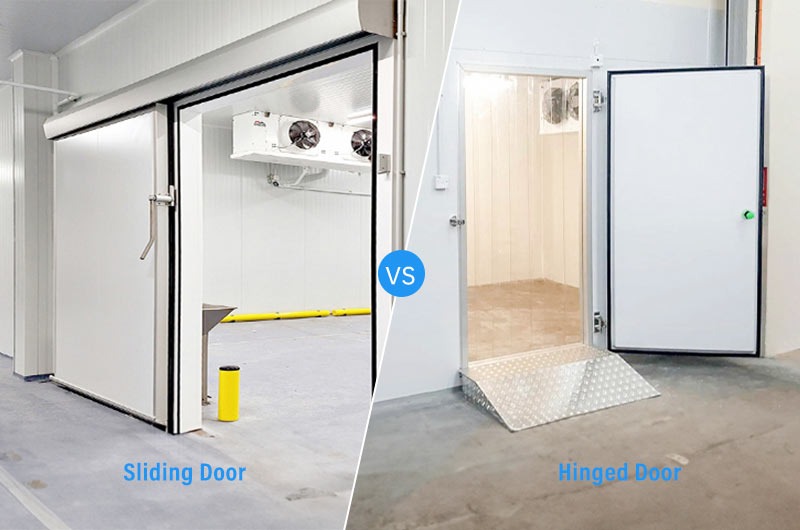
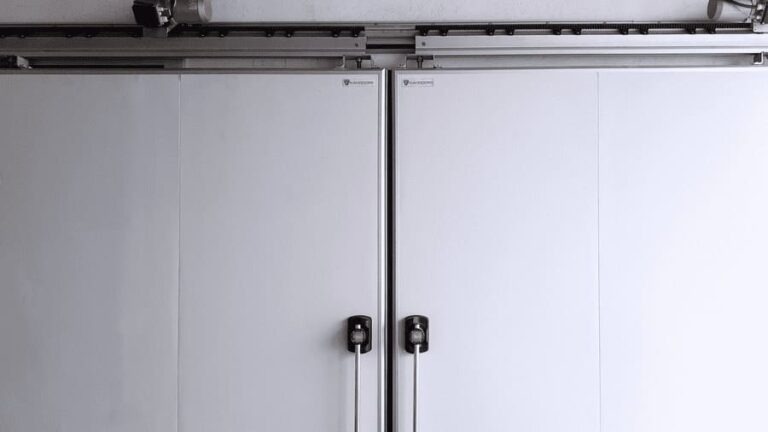
Sliding doors move sideways along a track. The panel travels beside the opening rather than swinging into the surrounding area. This arrangement requires enough clear wall space to accommodate the panel when open.
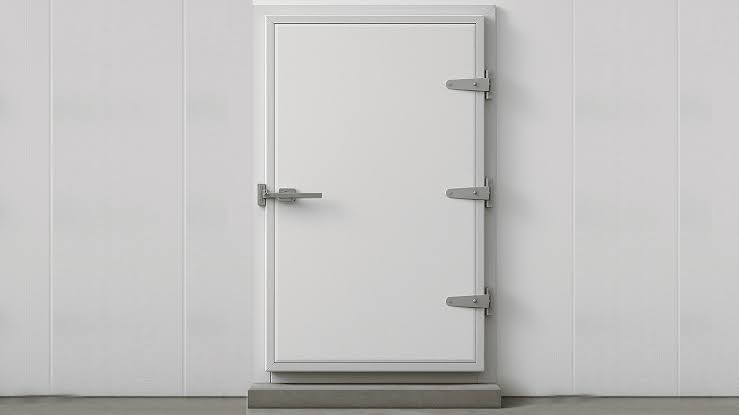
Hinged doors swing open from one side of the frame. They need clear floor space within the panel’s swing path. Nearby walls, shelves, and equipment can affect how far they open.
Both designs can include insulated panels and sealing systems. However, insulation alone does not determine performance. Installation, frame construction, seals, and daily operation also matter.
Kavidoors USA offers hinged and sliding options for refrigerated facilities. Buyers should compare each configuration against their actual access needs.
How Available Space Influences Your Choice
Space is often the first practical consideration. Measure the doorway and the surrounding area before deciding on a door type.
Space Beside the Opening
A sliding door needs an unobstructed travel path. Pipes, switches, shelving, and columns can prevent the panel from opening fully.
This design may suit a room with limited space directly in front of the entrance. However, it becomes less practical when the opening sits close to a corner.
Space for the Door to Swing
A hinged door needs enough room to open without hitting nearby objects. Its movement should also fit the normal approach route.
For example, a hinged panel may interfere with carts parked outside a small cooler. Moving those carts elsewhere could make the layout workable.
Review the complete area rather than choosing based on doorway dimensions alone.
Matching the Door to Daily Traffic
Think about who uses the entrance and what passes through it. A room used by staff has different needs from one handling loaded pallets.
Personnel and Small Carts
Hinged doors are often suitable for smaller openings and regular personnel access. They can work well when staff carry boxes or use compact carts.
Check whether users can operate the handle comfortably while moving goods. Opening direction and hinge position can make everyday access easier.
Pallet Trucks and Forklifts
Sliding doors are worth considering where wider openings are needed. The panel moves sideways, leaving the approach area free from a swing arc.
Still, the opening must accommodate the load as well as the equipment. Allow suitable clearance and assess the route through the doorway.
For frequent traffic, discuss powered operation with the supplier. Automation may improve convenience, but opening speed and safety features vary between models.
Temperature Control Depends on the Complete System
Neither sliding nor hinged doors are automatically more energy efficient. Their performance depends on the specification and how the entrance is used.
Warm air can enter whenever the door opens. Heat can also pass through the panel, frame, or gaps around the seals.
Cooler and Freezer Requirements
A cooler and a freezer may require different door specifications. Confirm that the proposed system suits the room’s operating temperature.
Freezer applications may need heated frames or other frost-control features. These requirements depend on the design and surrounding conditions.
Seals and Closing Alignment
A door should close evenly against its sealing surfaces. Damaged gaskets or poor alignment can allow air leakage.
Ask how the seals are inspected, adjusted, and replaced. Accessible replacement parts can simplify maintenance later.
Time Spent Open
Door selection should account for how long each opening lasts. Staff routines and goods movement can influence this more than expected.
A well-insulated panel offers limited benefit while the entrance remains open. Reliable closing arrangements should therefore be part of the buying discussion.
Cleaning and Maintenance Considerations
Refrigerated facilities need doors that can be cleaned and maintained without unnecessary disruption. This is especially important where food is handled.
Materials and finishes should suit the cleaning methods used on site. Ask about suitable cleaning products and areas that need particular attention.
Routine inspections should cover:
- Sliding doors: Tracks, rollers, guides, seals, and panel alignment.
- Hinged doors: Hinges, handles, closers, gaskets, and signs of sagging.
- Powered systems: Controls and safety devices, following the manufacturer’s instructions.
- Both designs: Damage, sticking, gaps, and difficulty closing.
Recurring ice or condensation needs investigation. The cause may involve humidity, traffic, sealing, or refrigeration conditions. Replacing the panel alone may not resolve it.
Comparing Purchase and Installation Costs
The quoted door price is only one part of the budget. Opening size, insulation, hardware, and automation can affect the total cost.
Installation conditions also matter. A replacement project may require changes to the existing frame or surrounding wall. Powered operation may involve electrical work.
Compare quotes using the same measurements and requirements. Otherwise, a cheaper option may simply include fewer features or less installation work.
Consider ongoing costs as well. Replacement parts, maintenance access, and possible downtime can influence long-term value.
Practical Examples of Choosing Each Design
A small refrigerated preparation room may suit a hinged door. Staff access may be frequent, but loads are usually manageable. If the swing area stays clear, this can be a practical arrangement.
A warehouse moving large pallets may benefit from a sliding door. A wide opening can support material handling without a swinging panel entering the approach route.
However, a wide doorway with no clear wall space may need another configuration. Site conditions should guide the final specification.
The aim is to choose a system that fits normal operations. Avoid selecting a door based only on appearance or initial price.
Information to Prepare Before Requesting a Quote
Clear project details help suppliers recommend suitable options. Before contacting a supplier, gather:
- The room’s normal operating temperature.
- Opening width, height, and surrounding clearances.
- Wall construction and existing frame details.
- The type and frequency of daily traffic.
- Manual or powered operation preferences.
- Photos of the entrance and nearby obstructions.
For a replacement, describe the current problems. These might include difficult access, damaged seals, or repeated closing issues.
Kavidoors USA can review these requirements when discussing its hinged and sliding options. Accurate information makes the comparison more useful.

Choose a Door That Fits Your Operation
The right design should support daily access, temperature control, and maintenance. Compare wall clearance, swing space, traffic, and operating conditions before making a decision. For project-specific options, contact Kavidoors USA with your measurements and requirements to request a quote.
Frequently Asked Questions
Are sliding doors always better for large openings?
Sliding doors can be practical for large openings because they avoid a swing arc. However, they need sufficient wall clearance. The load size and approach route must also be assessed.
Can hinged doors be used in freezer rooms?
Yes, if the complete system is specified for freezer conditions. Confirm the temperature rating, insulation, seals, hardware, and any required heating features before ordering.
Which design provides a better seal?
Either design can seal effectively when correctly specified, installed, and maintained. Gasket condition and closing alignment matter more than the opening style alone.
Should a busy facility choose an automatic door?
Automatic operation may suit frequent access or material handling. Review traffic patterns, controls, opening speed, and safety features before deciding whether it is appropriate.
Can an existing door be replaced without changing the frame?
This depends on the frame’s condition and compatibility with the replacement. A site review can establish whether the frame can remain or needs modification.


 0
0
 0
0