

Guitar aesthetics and tone have always been at the heart of craftsmanship, with wood choices playing a significant role. Among the most sought-after options for luthiers and musicians alike is ebony guitar binding. Not only does it provide a sleek, luxurious look, but it also enhances the structural integrity and tonal qualities of the instrument. Whether you’re a builder, a seasoned player, or an enthusiast, understanding the importance of high-quality bindings like ebony guitar binding and rosewood guitar binding can elevate your appreciation for fine instruments.
Table of Contents
The Role of Guitar Binding in Craftsmanship
Aesthetic Enhancement
Binding is one of the most visually striking features on a guitar. It outlines the body, neck, and sometimes the headstock, framing the guitar in a way that accentuates its curves and craftsmanship. Among available materials, ebony guitar binding stands out for its rich, dark hue and refined texture, making it a premium choice for high-end instruments.
Structural Integrity
Beyond aesthetics, bindings serve a practical purpose. They protect the edges of the guitar from dings, chips, and humidity-related cracks. This is particularly vital for instruments used in varied environmental conditions. Ebony guitar binding, known for its density and durability, offers excellent protection while maintaining a sophisticated appearance.
Ebony Guitar Binding: Why It’s a Preferred Choice
Rich Visual Appeal
Ebony is a dark, dense hardwood, prized for its deep black color with occasional dark brown streaks. When used as binding, ebony delivers a sleek contrast on lighter tonewoods like spruce or maple. It pairs seamlessly with darker backs and sides, like rosewood guitar binding, offering endless combinations for custom guitars.
Tonal Contribution
While the binding may not be the primary tone influencer, every component matters in high-end guitar building. Ebony, being denser than many woods, can subtly affect the guitar’s tone by adding focus and sustain to the sound. That’s why many premium builders opt for ebony guitar binding—not just for looks, but also for tonal precision.
Compatibility with Other Tonewoods
Ebony guitar binding complements almost every tonewood, whether it’s a spruce top, mahogany back, or rosewood guitar binding on the sides. Its versatility makes it a staple for custom and boutique guitars, offering both function and fashion.
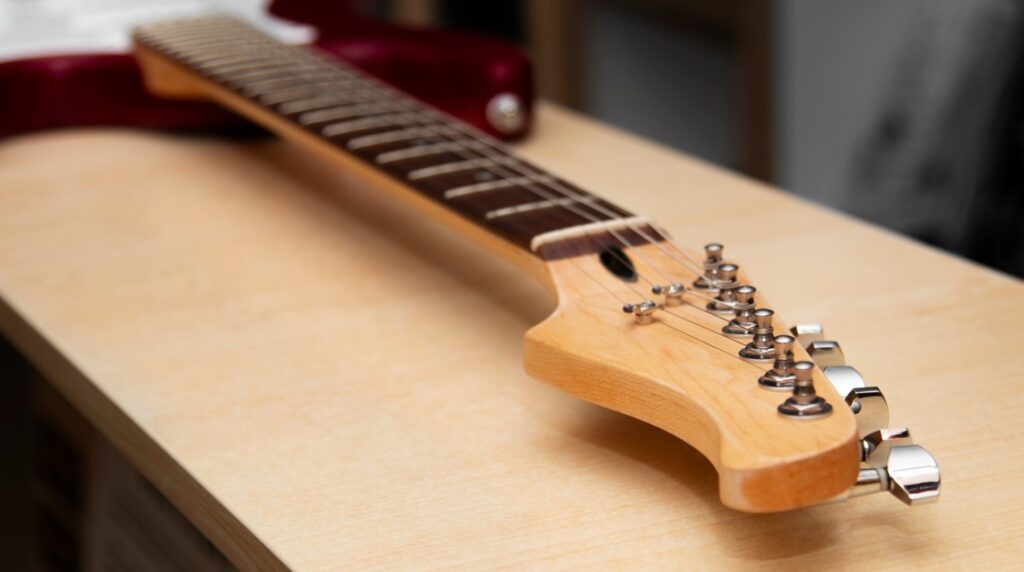
Comparing Ebony and Rosewood Guitar Binding
Ebony Guitar Binding
Ebony is typically heavier and darker, offering a sophisticated and bold look. Its high density contributes to its durability, and it’s less prone to wear and tear. Ebony guitar binding is usually seen on luxury guitars or custom builds due to its aesthetic and functional benefits.
Rosewood Guitar Binding
Rosewood, another popular binding material, provides a slightly warmer tone and a rustic look. Its lighter weight and somewhat porous texture give it a different character from ebony. Rosewood guitar binding is often chosen for traditional builds and is especially popular in vintage-style guitars.
Both ebony and rosewood bindings enhance the guitar’s aesthetic, but they bring unique tonal and visual elements that make each suitable for different musical styles and preferences.
Maintenance Tips for Ebony Guitar Binding
Cleaning and Polishing
Due to its dark color, ebony can show fingerprints and dust easily. Regularly wiping down the binding with a microfiber cloth can maintain its polished look. Avoid using harsh chemicals that may damage the finish.
Avoiding Cracks
Though strong, ebony can dry out over time. Use a humidifier if you live in an arid environment to prevent cracking. This is especially important for guitars with ebony guitar binding, as dried bindings can lead to structural damage.
Periodic Inspection
During string changes or general maintenance, inspect the bindings for separation or warping. High-quality ebony guitar binding is resilient, but early detection of issues ensures long-term preservation.
Why Custom Builders Choose Ebony Guitar Binding
Custom luthiers often choose ebony guitar binding for their top-tier builds. It aligns with the ethos of fine craftsmanship—blending beauty with function. Ebony’s smooth texture and deep coloration highlight the grain patterns of adjacent woods, creating visual contrast and cohesion.
Many custom shops combine ebony guitar binding with rosewood guitar binding in alternating layers to achieve a unique layered aesthetic. This mix adds both tonal complexity and visual appeal.
Sustainable Sourcing and Ethical Considerations
Due to increasing demand, sustainable harvesting of ebony is crucial. Reputable suppliers ensure their ebony guitar binding products are ethically sourced, often from managed forests or reclaimed wood. Buyers should always check the origin of materials to support eco-friendly practices.
FAQs
What is the main advantage of using ebony for guitar binding?
Ebony provides a high-end, luxurious look and adds a slight tonal focus due to its density. It’s also highly durable, making it ideal for protecting the edges of the guitar.
How does ebony compare to rosewood for guitar binding?
While both are excellent choices, ebony is denser and darker, offering a sleek, modern aesthetic. Rosewood has a warmer tone and a more traditional, rustic appearance.
Does ebony guitar binding affect tone?
Yes, though subtly. Its density can enhance sustain and focus, especially on acoustic guitars, where every material plays a role in sound production.
Is ebony binding suitable for electric guitars?
Absolutely. Many electric guitar builders use ebony guitar binding for its striking appearance and protective qualities. It pairs well with various body styles and finishes.
Can I combine ebony and rosewood binding on one guitar?
Yes, combining ebony guitar binding with rosewood guitar binding creates a distinctive look and can highlight different sections of the instrument. It’s a popular choice in custom builds.
By choosing ebony guitar binding, you are investing in more than just visual beauty. You’re selecting a material that enhances durability, subtly shapes tone, and exudes elegance. Whether used alone or alongside rosewood guitar binding, ebony adds a level of sophistication that elevates any guitar to a work of art.


 0
0
 0
0