
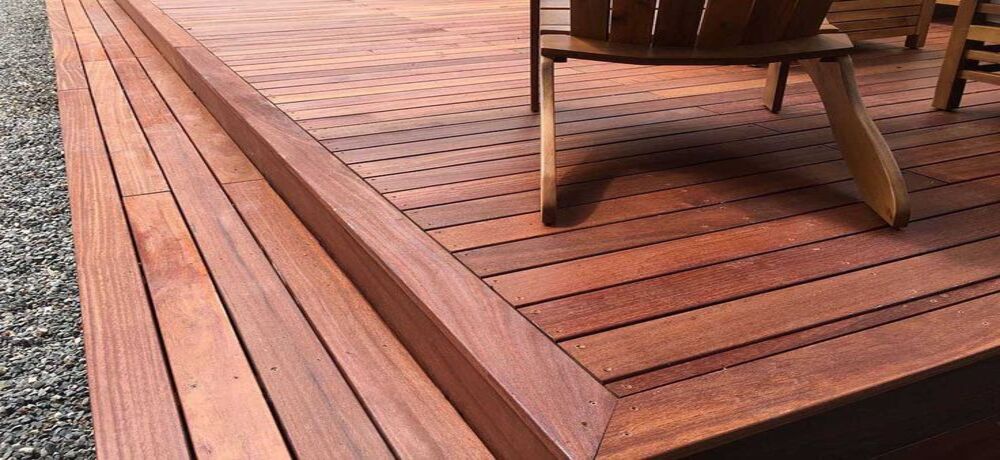
When envisioning a durable and aesthetically pleasing outdoor space, hardwood decking boards stand out as the premier choice. The allure of hardwood lies in its natural beauty, longevity, and robustness, making it an ideal decking material. In this comprehensive guide, we delve into the nuances of hardwood decking boards, exploring their advantages, types, maintenance, and installation tips to help you create a magnificent deck that withstands the test of time.
Table of Contents
Why Choose Hardwood Decking Boards?
Unmatched Durability
Hardwood decking boards are renowned for their exceptional durability. Species such as Ipe, Cumaru, and Teak are incredibly resistant to wear and tear, making them perfect for high-traffic areas and harsh weather conditions. These woods naturally resist rot, decay, and insect damage, ensuring your deck remains sturdy and beautiful for decades.
Natural Beauty
The aesthetic appeal of hardwood decking is unparalleled. Each board showcases unique grain patterns and rich colors that evolve beautifully over time. Whether you prefer the deep, chocolatey tones of Ipe or the golden hues of Teak, hardwood decks offer a timeless elegance that enhances any outdoor space.
Environmental Benefits
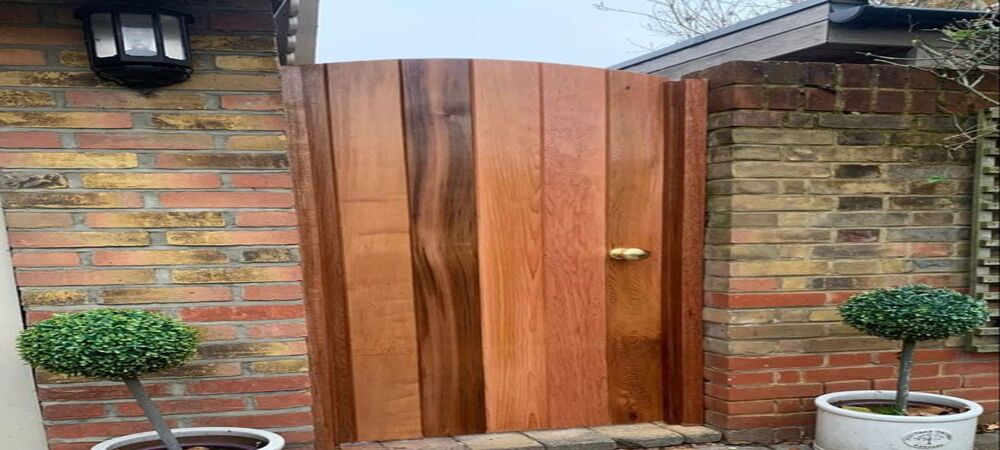
Many hardwood decking options are sourced from sustainably managed forests, ensuring that your choice supports environmental conservation. Additionally, hardwoods tend to have a longer lifespan than synthetic alternatives, reducing the need for frequent replacements and minimizing environmental impact.
Popular Types of Hardwood Decking Boards
Ipe Decking
Ipe, also known as Brazilian Walnut, is famed for its extraordinary hardness and longevity. It is naturally resistant to moisture, insects, and mold, making it an excellent choice for decking. Ipe’s dense composition ensures minimal maintenance and a lifespan that can exceed 50 years.
Cumaru Decking
Cumaru, often referred to as Brazilian Teak, offers a cost-effective alternative to Ipe while maintaining similar durability and aesthetic qualities. Its warm, reddish-brown color and interlocking grain pattern provide a striking appearance, and its resistance to decay and insect infestation makes it a reliable option.
Teak Decking
Teak is a classic choice for decking, valued for its luxurious appearance and impressive weather resistance. Teak contains natural oils that repel water and insects, contributing to its longevity. Its smooth texture and golden-brown color, which ages to a silver-gray patina, add a touch of sophistication to any deck.
Tigerwood Decking
Tigerwood is known for its distinctive striping and exotic look. This hardwood features dramatic dark and light streaks, creating a bold, striking deck. Tigerwood is also highly durable and resistant to wear, making it suitable for both residential and commercial applications.
Installation Tips for Hardwood Decking Boards
Preparation and Planning
Proper preparation is crucial for a successful hardwood deck installation. Start by selecting high-quality boards and ensuring your substructure is solid and level. Plan your deck layout carefully, considering board orientation, spacing, and any special features like stairs or railings.
Acclimation
Hardwood decking boards should be allowed to acclimate to your local environment before installation. Store the boards in a dry, shaded area with good airflow for at least 7-14 days. This helps to balance the wood’s moisture content with the surrounding atmosphere, reducing the risk of warping or splitting.
Fastening Methods
Choosing the right fastening method is essential for the longevity and appearance of your hardwood deck. Stainless steel screws are highly recommended due to their corrosion resistance. Hidden fasteners can provide a cleaner look, but ensure they are compatible with the hardwood type to prevent loosening over time.
Spacing and Ventilation
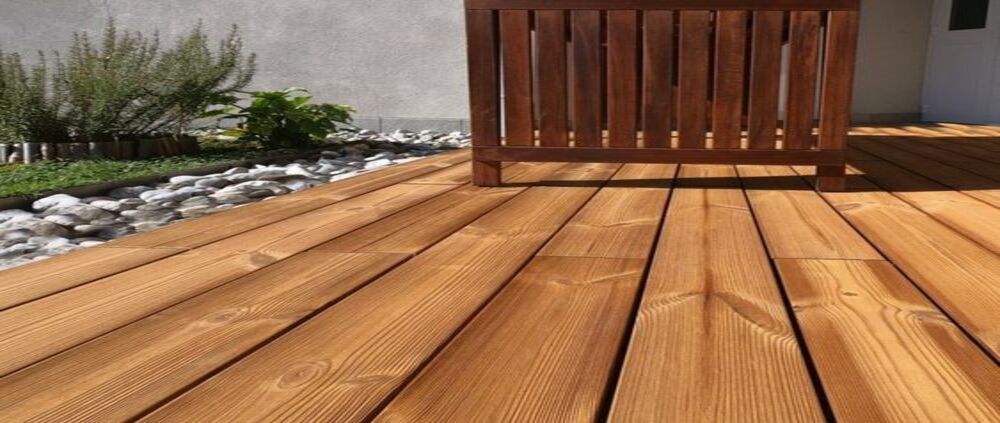
Proper spacing between boards is critical to accommodate wood expansion and contraction. A gap of 1/8 to 1/4 inch is generally recommended. Additionally, ensuring adequate ventilation beneath the deck helps prevent moisture buildup and prolongs the life of the hardwood.
Maintaining Your Hardwood Deck
Regular Cleaning
Routine cleaning is vital to maintain the beauty and longevity of your hardwood deck. Sweep away debris regularly to prevent scratches and use a mild detergent mixed with water to clean the surface. Avoid using harsh chemicals or power washers, which can damage the wood.
Oiling and Sealing
Applying a quality wood oil or sealant helps preserve the color and integrity of hardwood decking boards. Oils penetrate the wood, enhancing its natural grain and providing a protective barrier against moisture and UV rays. Sealants add an extra layer of protection, preventing water infiltration and extending the deck’s lifespan.
Seasonal Inspection
Conduct seasonal inspections to identify and address any issues promptly. Look for signs of wear, loose fasteners, or areas where the finish may have worn off. Early detection and maintenance can prevent minor problems from escalating into significant damage.
Conclusion
Investing in hardwood decking boards is a decision that promises durability, beauty, and long-term value. By choosing the right hardwood species and following best practices for installation and maintenance, you can create a stunning outdoor space that serves as the perfect backdrop for countless memories. Whether you’re hosting gatherings, enjoying peaceful evenings, or simply soaking in nature, a well-crafted hardwood deck is an enduring testament to quality and craftsmanship.


 0
0
 0
0