
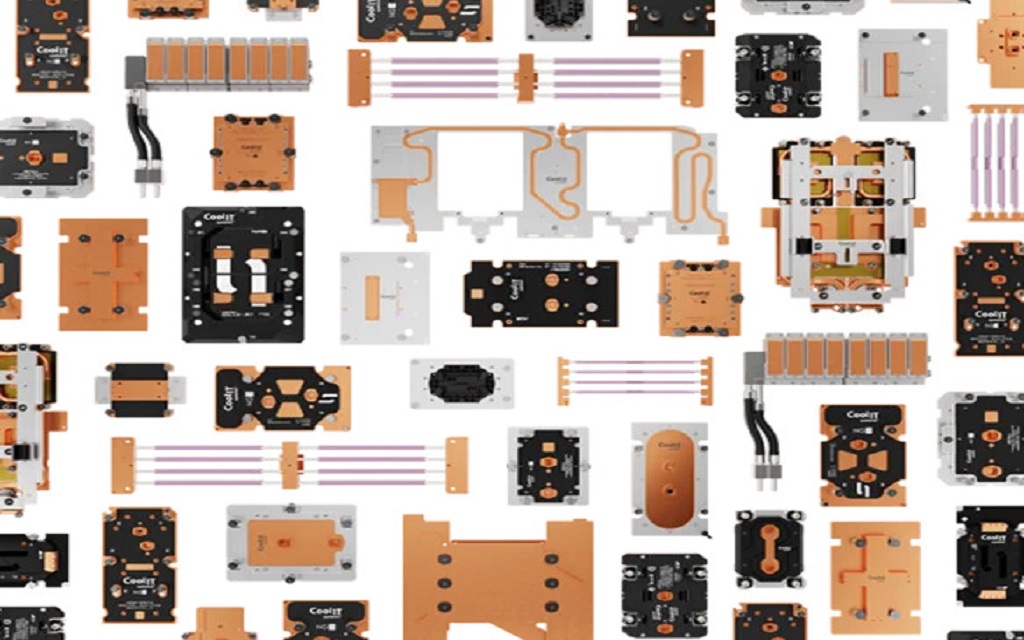
Modern data centers face ever-increasing demands from high-performance computing workloads, AI training clusters, and densely packed server racks. As computational power grows, managing heat efficiently becomes a critical challenge. Traditional air-cooling methods are often inadequate for high-density racks, leading to hotspots and increased energy consumption. This is where liquid cold plates and direct-to-chip cooling solutions from companies play a transformative role in modern data centers.
Table of Contents
- Understanding Cold Plates and Liquid Cold Plates
- How Direct-to-Chip Cooling Works
- Advantages of Liquid Cold Plates in Data Centers
- Advanced Cooling Solutions
- Integration with Existing Data Center Architecture
- Future Trends in Direct-to-Chip Cooling
- FAQs
- What is the main advantage of using a cold plate over traditional air cooling?
- Can liquid cold plates be retrofitted into existing servers?
- How does direct-to-chip cooling impact server reliability?
- Are liquid cold plates energy-efficient?
- What types of workloads benefit most from coldplate cooling?
- FAQs
- Conclusion
Understanding Cold Plates and Liquid Cold Plates
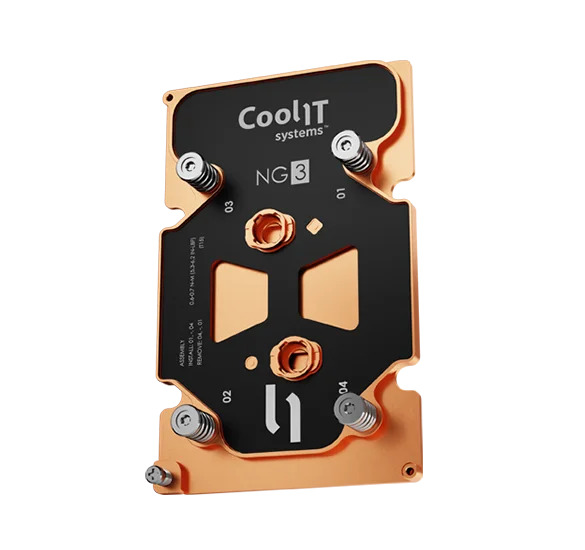
A cold plate is a thermally conductive component that interfaces directly with a processor or other heat-generating device. Its primary function is to absorb heat efficiently and transfer it to a liquid coolant. When integrated into a liquid cooling system, a professional coldplate becomes part of a broader, more advanced cooling architecture, enabling more precise thermal management than traditional air cooling methods.
Liquid cold plates differ from standard cold plates in that they circulate coolant, typically water or specialized dielectric fluids, through internal channels. This continuous flow of liquid allows heat to be removed more efficiently from high-power components such as CPUs and GPUs. By contacting the chip surface directly, direct-to-chip cooling minimizes thermal resistance and prevents localized overheating, ensuring servers maintain optimal performance.
How Direct-to-Chip Cooling Works
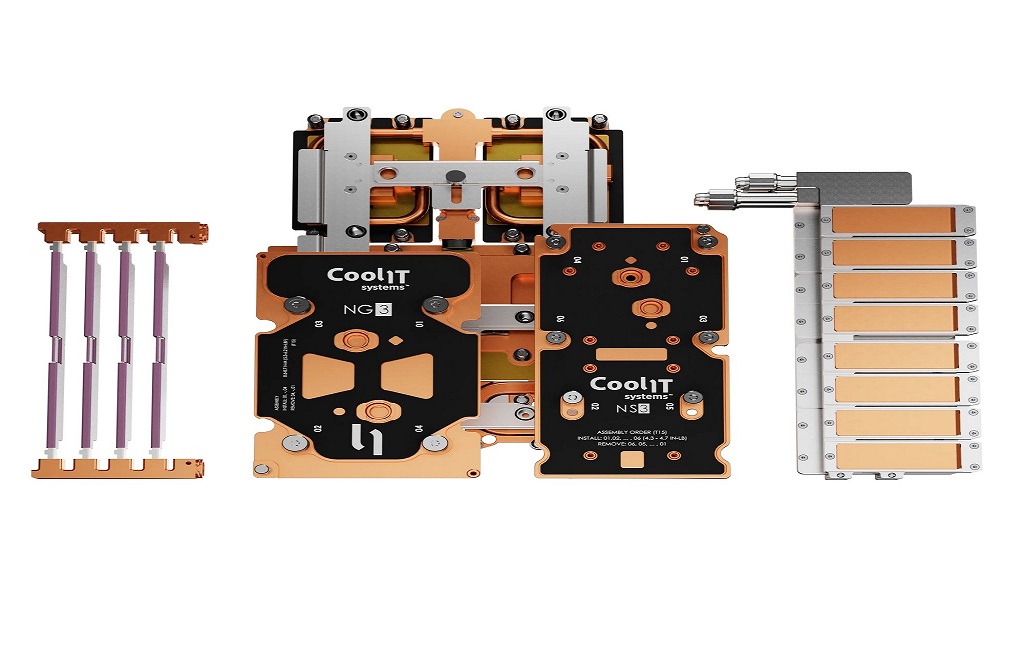
Direct-to-chip cooling uses liquid-cooled plates to remove heat from individual processors. The process involves several key steps:
- Heat Transfer at the Chip Level – The cold plate is mounted directly onto the CPU or GPU, creating a low-resistance thermal pathway. This direct contact ensures heat is absorbed immediately at the source.
- Coolant Circulation – The absorbed heat is carried away by circulating liquid within the cold plate. Liquid cold plates are designed with microchannels or other optimized flow paths to maximize heat transfer efficiency.
- Return to Cooling Infrastructure – Heated liquid flows back to a central cooling loop or a coolant distribution unit, where it is cooled and recirculated.
- System Monitoring and Control – Modern direct-to-chip cooling setups include sensors and monitoring systems that dynamically adjust flow rates, pressures, and temperatures to maintain optimal performance and prevent system stress.
This method ensures that even the most heat-intensive processors remain within safe operating temperatures while supporting higher densities in server racks.
Advantages of Liquid Cold Plates in Data Centers
The adoption of liquid cold plates for direct-to-chip cooling offers several critical benefits. Businesses in Alberta are increasingly leveraging this technology to improve data center efficiency and manage high-density workloads effectively.
Enhanced Thermal Efficiency
By removing heat directly from the processor, cold plates provide faster, more uniform cooling than air-cooled heat sinks. This liquid cooling technology reduces the thermal gradient across chips and lowers the risk of hotspots.
Energy Savings
Efficient heat removal reduces reliance on energy-intensive air conditioning systems, lowering overall power consumption in the data center. Using liquid cold plates as part of an advanced cooling architecture helps achieve more sustainable operations without sacrificing performance.
Higher Rack Density
Air cooling becomes less effective as server density increases. Direct-to-chip cooling with coldplate systems allows data centers to support high-density racks, including AI and GPU clusters, without overheating. This enables operators to maximize compute capacity per square foot.
Improved Reliability and Hardware Longevity
Maintaining optimal temperatures ensures that processors operate within safe thermal limits, reducing hardware stress and prolonging lifespan. A reputable processor coldplate helps prevent thermal throttling, ensuring consistent performance under demanding workloads.
Scalability and Flexibility
Cold plate cooling solutions are modular, allowing data centers to scale infrastructure as computational needs grow. This flexibility supports a variety of configurations, from small AI clusters to hyperscale environments.
Advanced Cooling Solutions
We specialize in direct-to-chip cooling solutions that integrate liquid cold plates with central cooling infrastructure. CoolIT Systems are designed to optimize heat removal for high-performance servers while reducing energy consumption and operational costs. By combining coldplate technology with intelligent monitoring, it delivers a reliable, scalable, and efficient cooling solution for modern data centers.
Integration with Existing Data Center Architecture
This combination of hardware and software forms a complete advanced cooling architecture, capable of handling modern workloads with minimal energy overhead. Implementing liquid cold plates requires careful planning to integrate with existing infrastructure:
- Coolant Distribution Units – Cold plates rely on CDUs to regulate coolant flow, temperature, and pressure. Proper integration ensures uniform cooling across racks. This allows data centers to maintain optimal chip performance under heavy workloads.
- Rack Manifolds – Distributing coolant efficiently within high-density racks can be achieved with rack manifolds, which connect multiple cold plates to central loops. They simplify infrastructure and enable easy scaling as server density increases.
- Monitoring Systems – Sensors embedded in cold plate systems track temperature, flow rates, and pressure, feeding data to control systems to adjust performance in real time. This proactive monitoring helps prevent overheating and extends hardware lifespan.
Future Trends in Direct-to-Chip Cooling
As AI, machine learning, and high-performance computing continue to grow, liquid cold plates and direct-to-chip cooling are becoming increasingly critical across Canada.
Future trends include:
- Higher thermal density support – Cooling more powerful processors in tighter spaces.
- Integration with AI-driven monitoring systems – Automating coolant flow adjustments based on real-time thermal data.
- Sustainable operations – Reducing reliance on traditional air cooling systems to decrease carbon footprints.
By adopting coldplate-based cooling architectures, data centers can remain competitive, energy-efficient, and capable of handling increasingly demanding workloads.
FAQs
What is the main advantage of using a cold plate over traditional air cooling?
A cold plate removes heat directly from the processor, creating a highly efficient thermal pathway. This reduces hotspots, allows higher rack densities, and improves overall energy efficiency compared to air-cooled solutions.
Can liquid cold plates be retrofitted into existing servers?
Yes, many liquid cold plate systems are modular and can be integrated into existing racks. However, proper planning is required to ensure compatibility with coolant distribution units, piping, and monitoring infrastructure.
How does direct-to-chip cooling impact server reliability?
By maintaining consistent chip-level temperatures, direct-to-chip cooling prevents thermal stress and throttling. This improves server reliability, prolongs hardware lifespan, and ensures stable performance under heavy workloads.
Are liquid cold plates energy-efficient?
Absolutely. Liquid cold plates reduce the need for air cooling and large CRAC/CRAH systems, lowering energy consumption while efficiently managing high heat loads in dense server racks and protecting critical data center equipment.
What types of workloads benefit most from coldplate cooling?
Workloads with high heat density, such as AI training, GPU-intensive simulations, and high-performance computing, benefit significantly from coldplate technology. These systems allow data centers to operate efficiently at higher densities without overheating.
Conclusion
Liquid cold plates and direct-to-chip cooling are redefining thermal management for modern data centers. These technologies help manage heat more efficiently while supporting high-density computing and demanding workloads. They can also improve system reliability and help extend the useful life of critical hardware. As computing needs continue to grow, advanced liquid cooling is becoming an increasingly important part of efficient data center design.
See advanced cooling technology in action and explore how it can support your infrastructure goals. Use the map location to find CoolIT Systems and discover innovative liquid cooling solutions firsthand.


 0
0
 0
0