
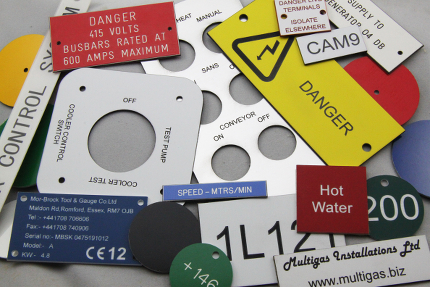
Nameplate tags are crucial in industrial settings, ensuring equipment is properly identified, operated, and maintained. These tags contain vital information, such as serial numbers, safety warnings, and operational guidelines, helping businesses maintain efficiency and compliance with industry regulations. Industries rely on various materials and customization techniques from aluminum nameplates to screen printed nameplates to meet their unique needs. These durable and informative tags are a must-have for manufacturing plants, warehouses, and construction sites where proper labeling ensures safety and productivity.
This article explores why industrial nameplates are essential for industrial equipment, the different types available, and how businesses can benefit from customized nameplates tailored to their specific requirements.
Table of Contents
The Importance of Nameplate Tags in Industrial Equipment
Ensuring Equipment Identification
Nameplate tags provide a reliable method for identifying industrial equipment by displaying crucial details such as serial numbers, specifications, and manufacturer information. These durable markers help streamline asset management, ensuring quick access to essential data during inspections or repairs. Proper identification minimizes downtime, enhances efficiency, and prevents misplacement of machinery.
Compliance with Industry Standards
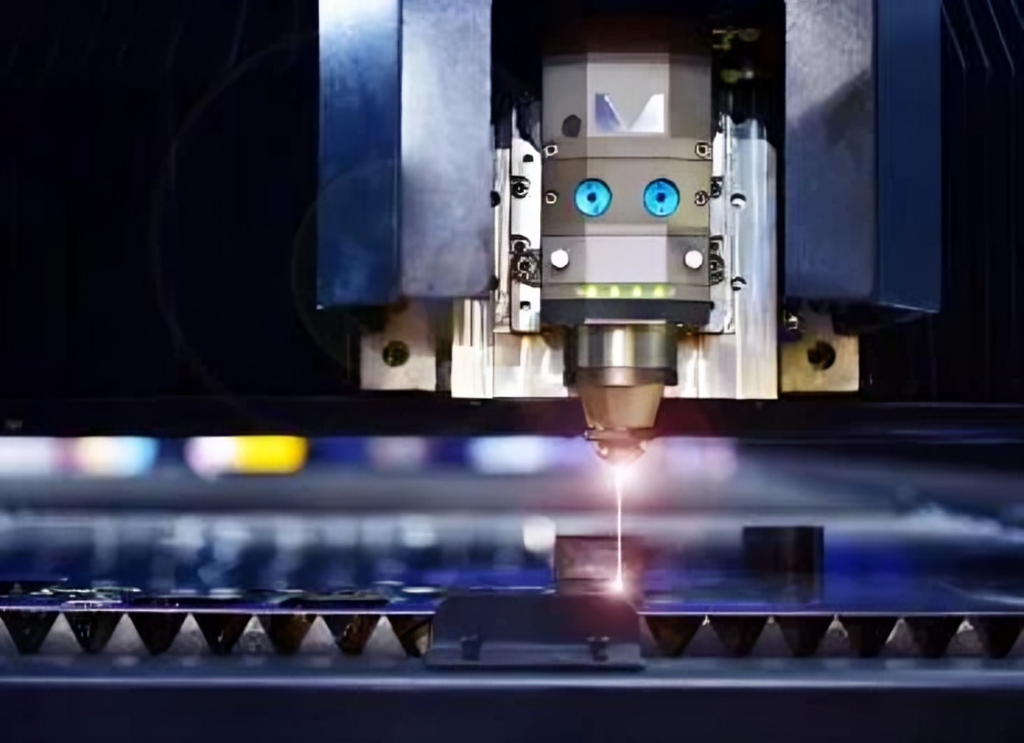
Strict regulations in industries such as healthcare, automotive, and construction mandate proper equipment labeling for legal and operational compliance. Nameplates and labels help companies meet these standards by clearly displaying certification marks, safety ratings, and instructional guidelines. Adhering to industry regulations not only ensures workplace safety but also protects businesses from penalties and legal risks.
Enhancing Safety and Operational Efficiency
Well-designed labels provide workers with immediate access to critical safety information, such as load capacities, voltage warnings, and emergency shutdown procedures. By using durable materials like etched metal or UV-resistant printing, these nameplates remain legible even in harsh environments. Clear identification and warnings enhance workflow efficiency, minimize accidents, and contribute to a safer workplace.
Types of Industrial Nameplates
Aluminum Nameplates
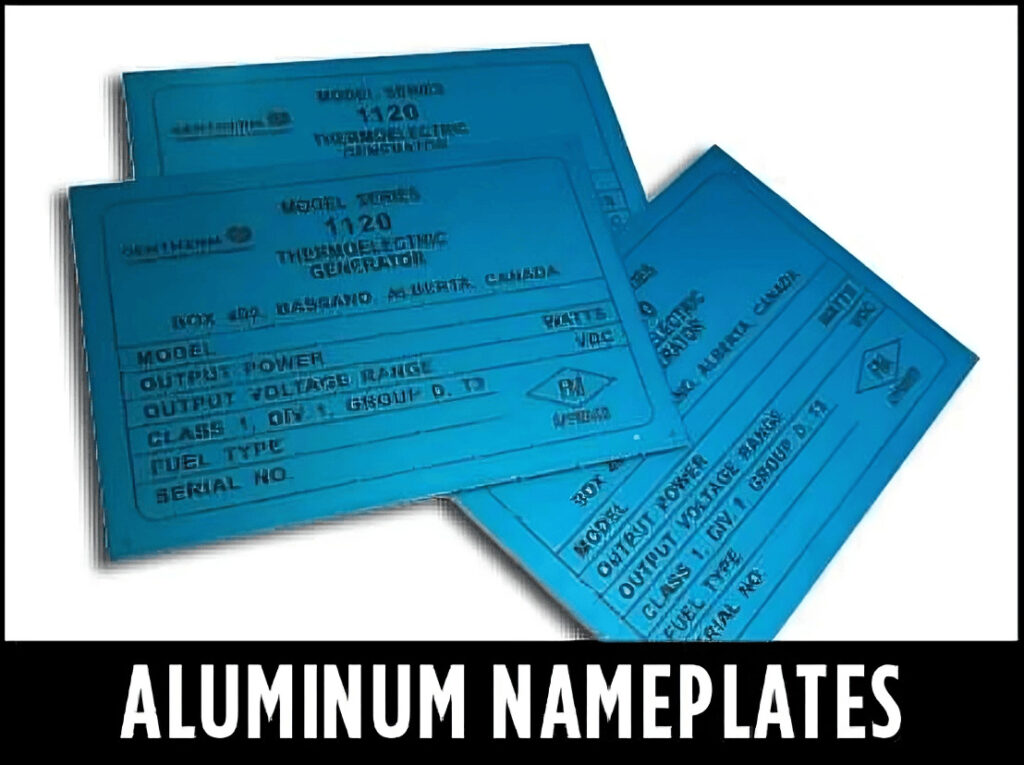
Aluminum nameplates are widely used due to their lightweight nature, durability, and resistance to harsh conditions. They are perfect for industrial environments where exposure to chemicals, and moisture is common. These nameplates can be anodized or coated to enhance their longevity and readability. Industries such as aerospace, automotive, and manufacturing rely on aluminum nameplates for equipment labeling and identification.
Screen Printed Nameplates
For industries requiring high-contrast, long-lasting text, screen printed nameplates are an excellent choice. The printing process ensures that details remain visible over time, even under demanding industrial conditions. They are commonly used for safety labels, branding, and instructional signage. With the ability to print in multiple colors, screen printed nameplates offer both functional and aesthetic benefits.
Customized Nameplates
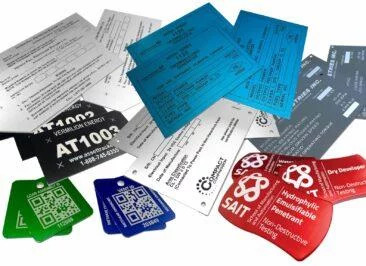
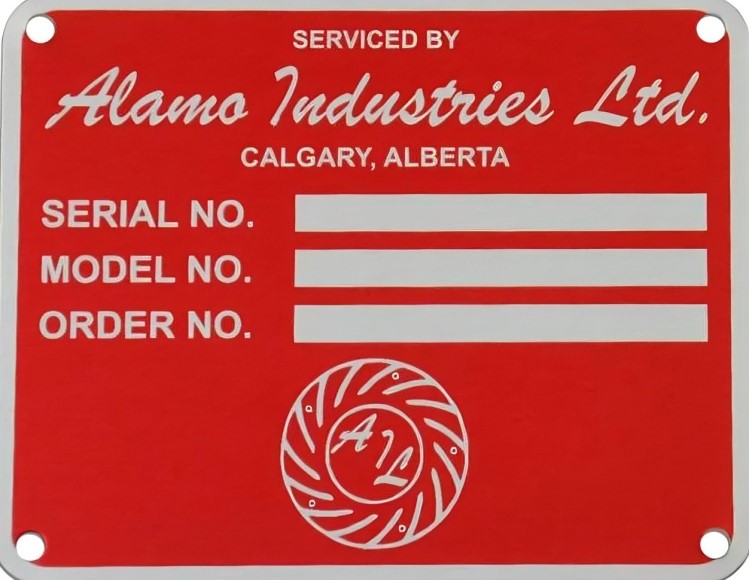
Businesses often require customized nameplates tailored to their specific needs. These may include unique serial numbers, QR codes, or branding elements to enhance functionality and aesthetics. Customization options include different materials, finishes, and engraving techniques to suit various applications. Whether for asset management, compliance, or brand identity, customized nameplates provide a professional and practical solution.
Benefits of Using Nameplate Tags in Industrial Equipment
Durability and Longevity
A high-quality nameplate tag is designed to endure harsh industrial conditions, resisting wear from chemicals, extreme temperatures, and moisture. These durable tags prevent fading, corrosion, and physical damage, ensuring long-term readability. By maintaining their integrity over time, they help companies avoid frequent replacements and associated costs.
Improved Asset Management
Proper labeling with durable nameplate tags allows businesses to track equipment efficiently, improving organization and maintenance schedules. This minimizes downtime by ensuring quick identification of assets, leading to a smoother workflow. Additionally, detailed asset tagging enhances inventory management and prevents loss or misplacement.
Brand Visibility
Custom nameplates featuring a company logo, slogan, or contact details serve as a constant branding tool in industrial environments. This not only reinforces brand identity but also builds trust among clients, partners, and regulatory bodies. A well-designed nameplate enhances professionalism and increases brand recall over time.
Cost-Effective Compliance
Durable nameplates ensure that equipment remains labeled per industry regulations, reducing the risk of non-compliance penalties. By investing in high-quality materials, businesses avoid frequent replacements and ensure long-term adherence to safety standards. Compliance through proper labeling also improves workplace safety and operational efficiency.
Frequently Asked Questions (FAQs)
What information should be included on an industrial nameplate?
Industrial nameplates typically include essential details such as serial numbers, equipment specifications, manufacturer details, safety warnings, and compliance certifications to ensure proper identification and regulatory adherence.
Which materials are best for industrial nameplates?
Common materials include aluminum (lightweight and corrosion-resistant), stainless steel (durable and heat-resistant), and polycarbonate (versatile and cost-effective). The choice depends on environmental conditions and industry requirements.
How do customized nameplates benefit businesses?
Customized nameplates allow businesses to include branding elements, QR codes, unique serial numbers, and specific operational instructions. This enhances equipment tracking, brand visibility, and regulatory compliance.
How can nameplates withstand harsh industrial environments?
Nameplates can be made durable through anodization, etching, laser engraving, and UV-resistant coatings, ensuring they remain legible despite exposure to extreme temperatures, chemicals, and moisture.
Are nameplate tags required for regulatory compliance?
Yes, industries like construction, healthcare, and manufacturing require proper labeling for safety compliance. Nameplates ensure adherence to OSHA, ANSI, and other industry regulations, reducing legal risks and enhancing workplace safety.
Conclusion
Investing in high-quality nameplate tags is essential for industrial equipment, ensuring proper identification, safety, and compliance. Whether using aluminum nameplates, screen printed nameplates, or customized nameplates, businesses can benefit from enhanced asset management and long-term durability. By selecting the right materials and customization options, industries can ensure their equipment remains well-labeled, improving both efficiency and workplace safety.


 0
0
 0
0